

How Can Aluminum Non-stick Fry Pan 3pcs Pan Sets Make Cooking Easier?
2026-10-27
Article Summary
Choosing the right frying pan set can make everyday cooking more convenient while helping households avoid unnecessary cookware purchases. Aluminum non-stick fry pan 3pcs pan sets offer a practical combination of cooking versatility, manageable weight, and easy food release. However, buyers need to look beyond the number of pans in a package. Material thickness, coating quality, handle construction, heat distribution, stove compatibility, and cleaning requirements all affect the user experience. This guide explains how to evaluate a three-piece frying pan set, match pan sizes to common cooking tasks, maintain non-stick surfaces, and compare products for household or wholesale purchasing. It also outlines the key questions retailers and importers should ask suppliers before placing an order with Ningbo JAS Home Supplies Co., Ltd.
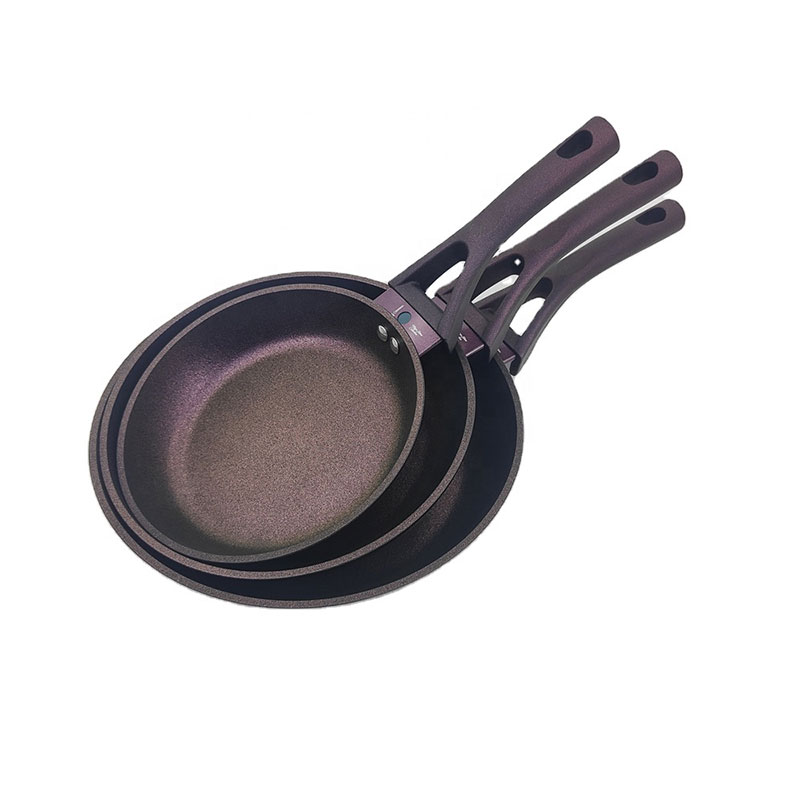
Understanding Aluminum Non-stick Fry Pan 3pcs Pan Sets
Frying pans are among the most frequently used tools in a kitchen. From preparing eggs in the morning to cooking vegetables, fish, and meat at dinner, a dependable frying pan needs to handle different ingredients without making everyday tasks unnecessarily complicated.
An aluminum non-stick fry pan 3pcs pan set generally refers to a collection of three frying pans made with aluminum bodies and non-stick cooking surfaces. Depending on the product, the pans may have different diameters, coatings, handle designs, and base structures. The exact configuration should always be confirmed with the manufacturer.
The main attraction of a three-piece set is flexibility. A small pan can handle an individual breakfast, a medium pan can prepare lunch for one or two people, and a larger pan can accommodate family portions. This arrangement can also help retailers offer a practical cookware package without requiring customers to purchase a complete pot-and-pan collection.
For importers, supermarkets, kitchenware distributors, and private-label brands, a successful set must balance product performance, visual appeal, packaging efficiency, and retail pricing. The number of pans is only the starting point; the quality of each component determines whether the set delivers lasting value.
Why Aluminum Is Popular for Frying Pans
Aluminum is widely used in cookware because it conducts heat efficiently and can be manufactured into practical shapes. When combined with a suitable non-stick coating and well-designed handle, it can create a convenient pan for routine cooking.
1. Efficient Heat Distribution
Aluminum transfers heat relatively quickly, helping the cooking surface respond as the heat setting changes. This can be useful when preparing eggs, pancakes, vegetables, or other foods that benefit from controlled cooking temperatures. Actual performance depends on the aluminum alloy, body thickness, base construction, and stove type.
2. Manageable Weight
Compared with many heavier cookware options, aluminum frying pans are often easier to lift, turn, and move between cooking areas. This is particularly useful for everyday meals and for consumers who prefer cookware that is comfortable to handle.
3. Versatile Everyday Cooking
A non-stick aluminum pan can be suitable for frying eggs, making omelets, cooking pancakes, sautéing vegetables, and preparing delicate fish. The non-stick surface can reduce food sticking when the pan is used correctly, although results depend on the coating, cooking temperature, ingredients, and maintenance.
4. Flexible Product Design
Aluminum can be formed into different pan diameters, depths, and exterior finishes. Manufacturers can offer different colors, handle materials, and packaging formats according to product specifications and market requirements.
5. Practical Storage and Handling
A three-piece set can provide useful cooking capacity without requiring several unrelated purchases. If the pans are designed to nest safely, storage may be more efficient. Buyers should confirm whether the actual models can be stacked and whether protective separators are recommended to prevent surface damage.
These advantages do not mean every aluminum pan performs identically. Thickness, construction, coating, and manufacturing consistency should all be considered before selecting a product.
How to Choose the Right Pan Sizes for Different Meals
The usefulness of a three-piece frying pan set depends heavily on its size combination. A well-planned set allows users to cook small portions efficiently while providing enough surface area for larger meals.
| Pan Size Example | Common Uses | Typical Buyer Profile |
|---|---|---|
| Small: 20 cm | One or two eggs, small portions, reheating | Individuals, compact kitchens, light cooking |
| Medium: 24 cm | Omelets, pancakes, vegetables, everyday meals | Couples and small households |
| Large: 28 cm | Larger portions, fish fillets, sautéed vegetables | Families and frequent home cooks |
The dimensions above are an illustrative size combination, not a confirmation of the exact contents of every JAS Home Supplies three-piece set. Buyers should check the selected model's product specification before ordering.
Consider Cooking Habits
A household that prepares quick breakfasts may use the smallest pan frequently, while a family that cooks several dishes at once may rely more heavily on the medium and large pans. Matching sizes to real cooking habits reduces the risk of ending up with a set that looks attractive but does not fit everyday needs.
Check Storage and Packaging
Pan diameter is not the only dimension that matters. Handle length, rim height, nesting clearance, and package dimensions can affect kitchen storage and shipping efficiency. Retailers should request the packed dimensions and gross weight when comparing competing sets.
Confirm Compatibility with Cooking Appliances
Not all aluminum pans are compatible with induction cooktops. Induction cooking generally requires a suitable magnetic base or integrated induction-compatible construction. Gas, electric, ceramic, and induction cooktops may have different requirements, so buyers should verify the manufacturer's stated compatibility for each model.
Understanding Non-stick Coatings Before Buying
The cooking surface is one of the most important features of a non-stick frying pan. A suitable coating helps food release more easily, makes cleaning more convenient, and supports a smoother cooking experience.
Food Release and Everyday Convenience
Non-stick surfaces can reduce the amount of oil needed for some cooking tasks, although the appropriate quantity depends on the recipe and personal preference. Eggs, pancakes, and delicate fish are common examples of foods that may be easier to handle on a properly maintained non-stick surface.
Coating Types and Specifications
Non-stick cookware may use different coating systems, including PTFE-based coatings and ceramic-based coatings. Their performance characteristics, care requirements, and resistance to wear can differ. Buyers should request the exact coating specification rather than assuming all non-stick finishes have the same properties.
Ask About Safety Documentation
Food-contact compliance requirements vary by destination market. Request applicable test reports, declarations, and supporting documents for the specific cookware model. If a supplier advertises a PFOA-free coating or another chemical-related claim, clarify exactly what the claim covers and obtain appropriate documentation.
Understand the Limits of Scratch Resistance
No non-stick surface should be assumed to be immune to damage. Sharp metal utensils, abrasive cleaning pads, repeated overheating, and rough stacking can shorten the useful life of many coated pans. Follow the product's instructions regarding utensils, washing, and storage.
Comparing Three-Piece Fry Pan Sets for Different Needs
Not every three-piece frying pan set is designed for the same customer. Retail positioning, cooking frequency, appearance, and price expectations should guide the selection process.
| Evaluation Factor | Entry-Level Set | Mid-Range Set | Premium-Oriented Set |
|---|---|---|---|
| Construction | Basic aluminum construction | Specified body thickness and finish | More detailed construction and finishing specifications |
| Coating | Standard non-stick system | Defined coating specification and testing | Performance-focused coating options, subject to verification |
| Handles | Functional standard design | Comfort-oriented shape and secure attachment | Refined materials and finish |
| Appearance | Simple colors and finish | Coordinated colors and modern styling | Distinctive finishes and customized presentation |
| Packaging | Basic retail protection | Organized retail packaging | Customized packaging options, where available |
This comparison describes general purchasing categories rather than fixed industry standards. A premium-looking exterior does not automatically guarantee better cooking performance. Evaluate the complete product specification, quality controls, and sample results before comparing prices.
Look Beyond the Initial Unit Price
For wholesale buyers, the total cost can include the product, packaging, inspection, shipping, import duties, and potential returns. A lower quotation may not provide the best overall value if it comes with inconsistent dimensions, unclear specifications, or inadequate packaging protection.
Choose a Set That Matches the Sales Channel
Supermarkets may prioritize competitive retail pricing and easy-to-understand packaging. Kitchenware specialists may require more detailed product information. Private-label brands may place greater emphasis on custom colors, logos, packaging design, and consistent reordering. Define the target channel before finalizing the product.
How to Get Better Cooking Results from Aluminum Non-stick Pans
Even a well-made frying pan needs correct use. Simple changes to heating, food preparation, and utensil choice can improve results and help preserve the cooking surface.
Preheat Gradually
Use low to medium heat for most routine non-stick cooking unless the product instructions specify otherwise. Avoid leaving an empty pan on high heat, because excessive temperatures can damage some coatings and may create unnecessary wear.
Prepare Ingredients Before Cooking
Dry washed vegetables and pat fish or meat dry where appropriate. Excess moisture can interfere with browning and cause ingredients to steam rather than sear. Allow refrigerated ingredients to approach a suitable cooking temperature when the recipe calls for it.
Use Suitable Utensils
Wooden, silicone, or other utensils approved for the specific coating can help reduce surface damage. Avoid cutting food directly in the pan and do not use sharp tools to scrape stuck ingredients away.
Avoid Overcrowding
Filling a pan with too many ingredients lowers the available cooking space and may cause food to release moisture. Cook in batches when necessary, particularly when browning vegetables or preparing meat.
Match the Pan to the Task
Use the smaller pan for small portions and the larger pan when ingredients need room to spread out. Correct pan sizing can improve cooking control while preventing unnecessary energy use and repeated cooking batches.
How to Clean and Maintain a Non-stick Fry Pan Set
Care routines influence both appearance and performance. Proper cleaning also helps retailers reduce avoidable complaints caused by misuse or misunderstanding of the product instructions.
Let the Pan Cool Before Washing
Allow the pan to cool naturally before cleaning. Sudden temperature changes can stress some cookware constructions, so avoid placing an extremely hot pan directly under cold water unless the manufacturer explicitly permits it.
Use Gentle Cleaning Methods
Warm water, a mild dishwashing detergent, and a soft sponge are generally suitable starting points for many non-stick pans. Avoid steel wool, aggressive abrasive powders, and harsh cleaning tools that may damage the coating.
Remove Residue Without Scraping
For stuck food, soak the cooled pan in warm water for a short period before cleaning. Do not use knives or metal scrapers to remove stubborn residue. Follow the product instructions if a specific cleaning method is recommended.
Store the Pans Carefully
If the three pans are stacked, place a suitable protective separator between them when recommended. This reduces direct contact between cooking surfaces and helps prevent scratches during storage or transportation.
Check Handles and Fasteners
Inspect the handle and its attachment periodically. If a handle becomes loose, stop using the pan until it has been assessed and repaired appropriately. Never assume a damaged handle can safely support a hot pan.
Dishwasher suitability varies by model, coating, handle material, and construction. Buyers should not advertise a set as dishwasher-safe unless the manufacturer confirms this feature for the exact product.
How to Evaluate an Aluminum Non-stick Cookware Supplier
Choosing a supplier involves more than finding a suitable product photo or the lowest quotation. Retailers, importers, and cookware brands need reliable specifications, clear communication, and repeatable quality.
1. Review Product Specifications
Request the pan diameters, body material, thickness, coating type, handle material, base construction, product weight, and packaging dimensions. Ask the supplier to identify which features are standard and which are available only through customization.
2. Request Relevant Test Documents
Ask for food-contact documentation and applicable safety or performance reports for the target market. Verify the product scope, issuing organization, validity where relevant, and whether the documents match the actual model and materials being purchased.
3. Evaluate Sample Quality
Inspect the coating finish, rim quality, base flatness, handle stability, and overall workmanship. Where possible, test representative samples using the intended cooking appliance and follow the manufacturer's instructions. Agree on a reference sample before production.
4. Confirm Customization Capabilities
For private-label projects, discuss exterior colors, handle designs, logos, product labels, and retail packaging. Clarify minimum order quantities, artwork requirements, sample charges, and any additional tooling or development costs.
5. Establish Quality and Delivery Expectations
Confirm the inspection procedure, acceptable defect criteria, packaging standards, production schedule, payment terms, and shipping arrangements. Written specifications help reduce misunderstandings when repeat orders are placed.
Ningbo JAS Home Supplies Co., Ltd.'s aluminum non-stick pans product page provides a starting point for buyers exploring aluminum cookware. The company also describes OEM/ODM customization services on its website. Specific three-piece set configurations, current availability, material details, and order terms should be confirmed directly with the supplier.
A Wholesale Purchasing Checklist for Three-Piece Fry Pan Sets
Before approving a bulk purchase, use the following checklist to ensure the supplier's quotation covers the requirements that matter to your business.
- Confirm the exact three-pan configuration and individual diameters.
- Specify aluminum alloy, body thickness, and base construction.
- Identify the coating type and request applicable supporting documentation.
- Verify compatibility with gas, electric, ceramic, or induction cooktops as required.
- Check handle materials, attachment methods, comfort, and heat-related instructions.
- Approve the product sample, finish, color, and packaging artwork.
- Clarify MOQ, quotation validity, sample charges, and customization costs.
- Request relevant food-contact and product testing documentation for the destination market.
- Confirm carton dimensions, shipment weight, labeling, and protective packaging.
- Agree on inspection standards, delivery schedules, payment terms, and the process for handling defects.
Clear purchasing requirements make it easier to compare competing suppliers fairly. They also help your team calculate landed costs, prepare accurate product listings, and maintain consistency between samples and delivered goods.
Frequently Asked Questions About Aluminum Non-stick Fry Pan 3pcs Pan Sets
1. What is usually included in a three-piece aluminum fry pan set?
A three-piece set generally contains three frying pans, often in different sizes. The exact diameters, handle designs, and included accessories depend on the product. Always check the manufacturer's specification rather than assuming every set contains the same configuration.
2. What are the main advantages of aluminum frying pans?
Aluminum transfers heat efficiently and is often lighter than heavier cookware materials. When paired with a suitable non-stick coating and sound construction, it can be a practical option for everyday frying, sautéing, and breakfast preparation.
3. Can aluminum non-stick pans be used on induction cooktops?
Only models with a suitable induction-compatible base generally work on induction cooktops. Aluminum alone is not typically sufficient for direct induction heating. Confirm compatibility for the exact model before purchase.
4. Are non-stick aluminum frying pans dishwasher-safe?
It depends on the specific coating, handle, and construction. Handwashing with a soft sponge and mild detergent is a sensible care approach for many non-stick pans. Follow the manufacturer's instructions for the exact model.
5. How can buyers check the quality of a non-stick coating?
Inspect the surface for visible defects, review the coating specification, and request relevant performance and food-contact documentation. Sample testing and clearly defined acceptance criteria provide a stronger basis for purchasing than appearance alone.
6. Can a three-piece fry pan set be customized for private-label brands?
Customization may include colors, exterior finishes, handles, logos, and retail packaging, depending on the supplier's capabilities. Confirm available options, MOQ, development costs, and sample approval procedures before placing an order.
7. What should importers ask a cookware manufacturer before ordering?
Ask about product specifications, materials, coating documentation, compatible cooktops, sample availability, MOQ, production lead time, quality inspection, packaging, and shipping terms. Written confirmation helps reduce purchasing risks.
8. Why consider Ningbo JAS Home Supplies Co., Ltd. for cookware sourcing?
Ningbo JAS Home Supplies Co., Ltd. offers aluminum non-stick cookware and describes OEM/ODM services for customized kitchenware. Buyers can contact the company to discuss product requirements, samples, customization possibilities, and wholesale order conditions.
Make Your Next Cookware Sourcing Project More Efficient
A well-designed aluminum non-stick fry pan 3pcs pan set can offer practical cooking versatility, convenient handling, and an attractive retail presentation. For buyers, the key is to match the product specification with the needs of the intended market and verify quality before committing to a large order.
Ningbo JAS Home Supplies Co., Ltd. provides a starting point for businesses exploring aluminum non-stick cookware and customized kitchenware solutions. Whether you are a distributor expanding your cookware range, a retailer sourcing everyday kitchen essentials, or a private-label brand developing a new collection, clear product requirements can help move the project forward.
Looking for an Aluminum Non-stick Fry Pan 3pcs Pan Set Supplier?
Contact Ningbo JAS Home Supplies Co., Ltd. to discuss your preferred pan sizes, coating requirements, customization options, packaging, and wholesale purchasing needs.
Share your target market, estimated order quantity, and product specifications to help the team evaluate a suitable solution for your business.
Contact Us for Product DetailsConfirm current product availability, specifications, sample arrangements, and quotation terms directly with the supplier.