Article Summary
Galena soup warmers play a critical role in modern food service operations by maintaining optimal serving temperatures,
improving operational efficiency, and enhancing customer satisfaction. This article explores their working principles,
key benefits, selection considerations, maintenance practices, and real-world applications. Whether you operate a hotel,
buffet restaurant, catering service, or institutional kitchen, understanding these warmers can help you reduce waste,
streamline workflow, and ensure consistent food quality throughout service hours.
1. Introduction to Galena Soup Warmers
In high-volume food service environments, maintaining consistent soup temperature is not just a matter of taste but also of safety and efficiency.
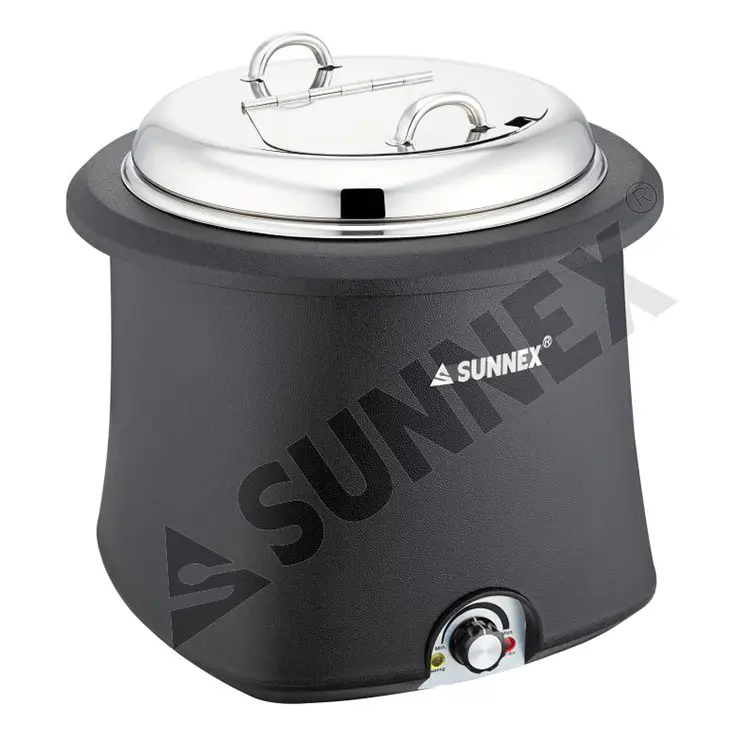
Galena soup warmers are specialized commercial appliances designed to keep soups, sauces, and stews at a controlled serving temperature for extended periods.
Unlike basic heating equipment, these warmers are engineered for continuous operation in demanding environments such as hotels, catering banquets,
cafeterias, and self-service buffet stations. Their design prioritizes temperature stability, energy efficiency, and ease of use.
2. How Galena Soup Warmers Work
Galena soup warmers typically operate using either dry heat or wet heat (water bath) systems. The principle is simple: maintain a steady, low-level heat
that prevents food from overcooking while keeping it safe for consumption.
-
Heating Element: Provides controlled heat distribution.
-
Thermostat Control: Ensures precise temperature regulation.
-
Insulated Housing: Minimizes heat loss and improves efficiency.
-
Food Container: Stainless steel pots designed for hygiene and durability.
This combination allows operators to serve food continuously without repeated reheating cycles, which often degrade quality.
3. Key Benefits in Food Service
The adoption of Galena soup warmers significantly enhances kitchen workflow and service quality. Below are the most impactful advantages:
-
Consistent Temperature: Prevents food from cooling or overheating.
-
Reduced Food Waste: Keeps soups usable for longer periods.
-
Improved Efficiency: Staff can focus on service instead of reheating tasks.
-
Enhanced Customer Experience: Hot, fresh-tasting food is always available.
-
Energy Optimization: Designed for low-energy continuous operation.
4. Essential Features to Consider
When evaluating soup warmers, it is important to understand the features that influence performance and usability:
-
Adjustable temperature control for different food types
-
Durable stainless steel construction for hygiene compliance
-
Removable inner pots for easy cleaning
-
Indicator lights for power and heating status
-
Compact design suitable for countertop use
Advanced models may also include digital thermostats and energy-saving modes for enhanced control.
5. Comparison Table of Soup Warmer Types
|
Type
|
Heating Method
|
Best Use Case
|
Efficiency
|
|
Dry Heat Warmer
|
Direct electric heating
|
Small restaurants
|
High
|
|
Water Bath Warmer
|
Indirect steam heating
|
Buffets & hotels
|
Very High
|
|
Digital Controlled Model
|
Precision thermostat system
|
Professional catering
|
Excellent
|
6. How to Choose the Right Model
Selecting the right Galena soup warmer depends on your operational scale and menu requirements. Consider the following:
-
Daily serving volume and peak hours
-
Type of food being served (soups, sauces, gravies)
-
Available kitchen space
-
Energy consumption requirements
-
Ease of cleaning and maintenance
For large-scale operations, multi-pot systems are recommended, while compact units are ideal for small cafés or food stalls.
7. Maintenance and Cleaning Tips
Proper maintenance ensures long-term performance and hygiene compliance. Follow these guidelines:
-
Clean inner pots after each service cycle
-
Avoid abrasive cleaning materials on stainless steel surfaces
-
Check thermostat calibration regularly
-
Inspect electrical components for wear
-
Ensure dry storage when not in use
8. Real-World Applications
Galena soup warmers are widely used across multiple sectors of the food service industry:
-
Hotel breakfast buffets
-
Corporate catering services
-
School and hospital cafeterias
-
Banquet halls and event catering
-
Fast-casual restaurant chains
Their adaptability makes them an essential asset for any operation requiring consistent hot food service.
9. Frequently Asked Questions
Q1: Can Galena soup warmers be used for foods other than soup?
Yes, they are suitable for sauces, gravies, chili, and even hot beverages in some configurations.
Q2: How long can food safely remain in a warmer?
Typically, food can be held safely for several hours if maintained at proper temperatures above the safe holding threshold.
Q3: Are they energy efficient?
Yes, modern units are designed for low energy consumption during continuous operation.
Q4: Is cleaning difficult?
No, most models include removable pots and stainless steel interiors for easy cleaning.
10. Conclusion
Galena soup warmers are indispensable tools in professional food service environments. By ensuring consistent temperature control,
reducing waste, and improving operational efficiency, they contribute directly to better customer satisfaction and streamlined kitchen workflows.
For businesses aiming to upgrade their food holding equipment, choosing reliable and durable solutions is essential. Sunnex offers a range of professional-grade
food warming solutions designed to meet the needs of modern hospitality operations. For customized recommendations and product support,
Sunnex contact us today to explore how we can support your business growth.