

How Does Plastic Cutlery Impact Modern Dining?
2026-03-31
Article Summary
Plastic cutlery has become a staple in the fast-paced world of modern dining. This article explores its advantages, disadvantages, and the solutions manufacturers like NINGBO POWERR offer to balance convenience with sustainability. From material composition to environmental concerns, we aim to guide businesses and consumers in making informed decisions.
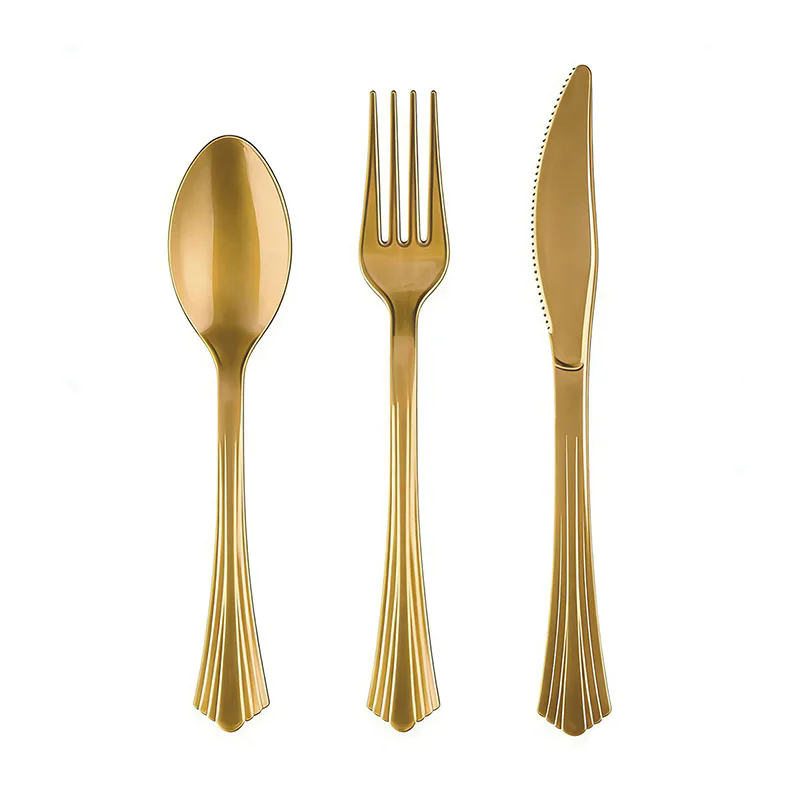
Table of Contents
Introduction to Plastic Cutlery
Plastic cutlery includes forks, knives, spoons, and sporks made from synthetic materials such as polypropylene and polystyrene. Its rise in popularity is tied to the need for disposable, lightweight, and cost-effective utensils, particularly in food delivery services, catering events, and outdoor dining. Despite its convenience, questions about sustainability and health safety are increasingly influencing consumer choices.
Key Benefits of Plastic Cutlery
- Convenience: Ideal for takeout, catering, and picnics without the need for washing.
- Cost-Effective: Lower production costs compared to metal utensils.
- Lightweight: Easy to transport in bulk, reducing logistics costs.
- Variety: Available in multiple sizes, colors, and designs for branding or events.
| Feature | Impact on Use |
|---|---|
| Disposable | Reduces labor for cleaning but increases waste if not recycled |
| Durable enough for single meals | Supports a range of foods from salads to pasta |
| Variety of sizes | Customizable for children, adults, and special meals |
Materials and Manufacturing Process
Plastic cutlery is primarily made using:
- Polypropylene (PP): Flexible, resistant to heat, and commonly used for disposable forks and spoons.
- Polystyrene (PS): Rigid and inexpensive, suitable for single-use knives and dessert spoons.
The manufacturing process includes injection molding or thermoforming, which allows mass production with consistent quality. NINGBO POWERR emphasizes high-quality material sourcing to ensure safety, strength, and smooth edges that enhance the dining experience.
Environmental Considerations
Plastic cutlery's convenience comes with environmental concerns. Non-biodegradable plastics contribute to landfill accumulation and ocean pollution. Companies are addressing these issues through:
- Using recycled plastics to reduce resource extraction.
- Producing biodegradable or compostable alternatives.
- Encouraging recycling programs among consumers and businesses.
Businesses like NINGBO POWERR are investing in research to balance durability, affordability, and environmental responsibility, offering solutions for sustainable dining without compromising performance.
How to Choose the Right Plastic Cutlery
When selecting plastic cutlery for your business or personal use, consider these factors:
- Usage Frequency: For single-use, low-cost options may suffice; for semi-reusable, choose durable PP materials.
- Food Type: Heavier meals require stronger knives and forks.
- Environmental Goals: Biodegradable or recycled options can support sustainability initiatives.
- Branding Opportunities: Custom colors or printed logos can enhance marketing.
Consulting product experts at NINGBO POWERR ensures your choice aligns with both operational needs and environmental commitments.
FAQ About Plastic Cutlery
-
Q1: Are all plastic cutlery types safe for hot foods?
A: Not all plastics can withstand high temperatures. Polypropylene is generally heat-resistant, while polystyrene may deform with hot meals. -
Q2: Can plastic cutlery be recycled?
A: Yes, but it depends on local recycling programs and the type of plastic. PP is widely accepted, whereas PS is less commonly recycled. -
Q3: Are biodegradable plastic cutlery options effective?
A: Biodegradable cutlery can break down under industrial composting conditions, but may require special facilities to degrade fully. -
Q4: How can businesses reduce plastic cutlery waste?
A: Encourage reusable alternatives, implement recycling programs, and choose compostable options when possible.
Conclusion & Contact
Plastic cutlery remains a practical solution for modern dining, offering convenience and cost savings. However, balancing environmental responsibility is key. Manufacturers like NINGBO POWERR provide high-quality, innovative solutions to meet both business efficiency and sustainability goals.
For bulk orders, customization, or sustainable alternatives, contact us today to explore our full range of products and solutions tailored to your needs.