

What Are the Environmental Impacts of Using Household Cooking Aluminium Foil Roll Regularly
2026-03-17
In today’s fast-paced kitchens, the Household Cooking Aluminium Foil Roll has become a staple for wrapping leftovers, lining baking trays, and grilling vegetables. However, as environmental awareness grows, many consumers are questioning the sustainability of this everyday product. At Besty, we believe in providing high-quality kitchen essentials while encouraging responsible usage. Understanding the full environmental footprint of your Household Cooking Aluminium Foil Roll is the first step toward making eco-conscious choices without sacrificing convenience.
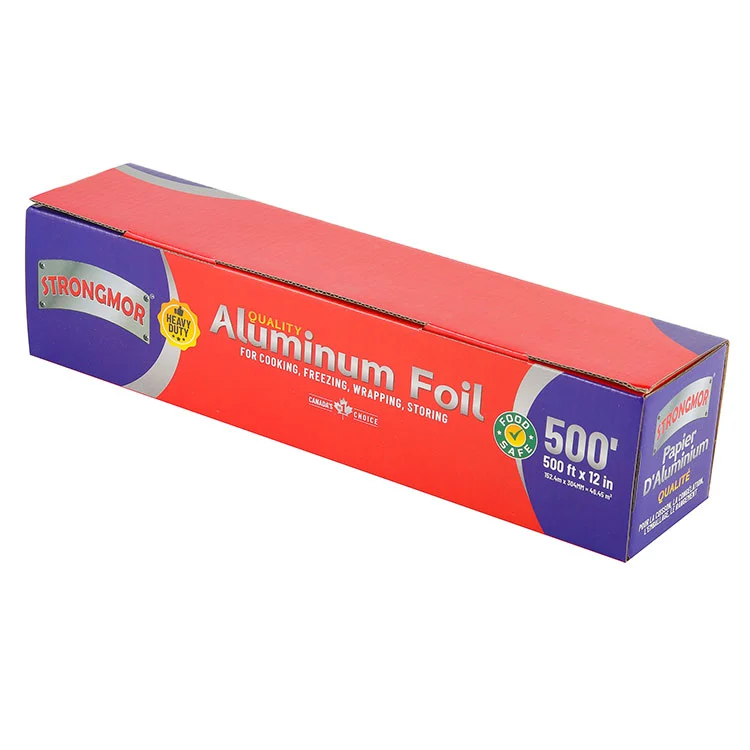
The Lifecycle of Aluminium Foil: From Production to Disposal
To grasp the environmental impact, we must examine the entire lifecycle of a Household Cooking Aluminium Foil Roll. The process is energy-intensive, but it also holds promising recycling potential.
| Lifecycle Stage | Environmental Impact | Key Consideration |
|---|---|---|
| Raw Material Extraction | Mining bauxite ore can lead to deforestation and soil erosion. | Requires responsible mining practices. |
| Production & Refining | Smelting is highly energy-intensive, contributing to carbon emissions. | Hydro-powered smelters offer a greener alternative. |
| Transportation | Shipping heavy rolls globally adds to the product's carbon footprint. | Local sourcing by brands like Besty can help reduce this. |
| Usage Phase | Zero direct emissions during use; may save energy if used to cover food. | Reusable options can offset the single-use nature. |
| Disposal & Recycling | Biodegradation is not applicable; takes centuries in landfills. | Aluminium is infinitely recyclable without loss of quality. |
The Recycling Reality: A Key to Sustainability
The most significant factor mitigating the environmental impact of a Household Cooking Aluminium Foil Roll is its recyclability. Aluminium is one of the few materials that can be recycled repeatedly without degrading. If every user cleaned and recycled their foil, the demand for virgin materials would drop drastically.
Besty’s Tips for Eco-Friendly Use
-
Clean After Use: Greasy foil contaminates recycling batches. A quick rinse makes it recyclable.
-
Consolidate Usage: Instead of using multiple small sheets, use one larger sheet from your Besty Household Cooking Aluminium Foil Roll to cover multiple dishes.
-
Choose Quality: A thicker, durable Household Cooking Aluminium Foil Roll can often be wiped clean and reused several times before recycling.
Household Cooking Aluminium Foil Roll: FAQ Common Questions
Here are some of the most frequently asked questions regarding the environmental aspects of your foil usage.
1. Can I recycle my Household Cooking Aluminium Foil Roll with regular paper recycling?
No, you should never recycle aluminium foil with paper. It must be placed in your specific metals or mixed recycling bin. However, it is crucial that the foil is clean and free of food residue. Food contamination can ruin an entire batch of recycling. Simply rinse your used Household Cooking Aluminium Foil Roll and let it dry before tossing it in the recycling bin. Besty recommends balling small pieces of clean foil together; this makes it easier for recycling facilities to sort and process the material.
2. Is it better for the environment to use a Household Cooking Aluminium Foil Roll or plastic cling wrap?
Generally, aluminium foil is considered a more environmentally friendly option than plastic cling wrap. While the production of aluminium is energy-intensive, plastic wrap is derived from fossil fuels, is typically single-use, and is much harder to recycle due to its thin composition and tendency to cling to other waste. Furthermore, unlike plastic, your Household Cooking Aluminium Foil Roll can be recycled indefinitely. Choosing a high-quality roll from Besty ensures you get a durable product that can potentially be reused, further reducing your environmental footprint compared to flimsy plastic alternatives.
3. Does using a Household Cooking Aluminium Foil Roll contribute to microplastic pollution?
No, using aluminium foil does not contribute to microplastic pollution. This is one of its distinct environmental advantages over plastic-based kitchen wraps. Microplastics are tiny plastic particles that result from the breakdown of larger plastic items and are a major pollutant in our oceans and soil. Aluminium, being a metal, does not break down into microplastics. While it does have its own environmental challenges related to mining and energy, it offers a solution to the growing crisis of plastic pollution when your Household Cooking Aluminium Foil Roll is properly recycled at the end of its life.
Make the Sustainable Switch Today
Understanding the environmental impact of your kitchen habits is empowering. By choosing a reliable brand and committing to simple actions like rinsing and recycling, you can enjoy the convenience of a Household Cooking Aluminium Foil Roll while protecting the planet.
Are you ready to stock your kitchen with a durable, high-quality option that supports your sustainable lifestyle? Contact us today to learn more about Besty products or to find a retailer near you. Together, we can make a difference, one meal at a time.